
SPC Vinyl Plank Flooring vs Traditional Flooring: Why Modern Homeowners Are Making the Switch
Choosing new flooring is no longer simply a matter of selecting a color or texture. Today’s homeowners want materials that perform well under everyday use, require minimal maintenance, and complement modern interior design. To better understand why vinyl plank flooring continues gaining popularity, we spoke with an experienced remodeling professional about current flooring trends, practical considerations, and common homeowner questions.
“The best flooring doesn’t simply look beautiful on installation day—it continues supporting everyday life for years afterward.”
Q: Why has vinyl plank flooring become one of the fastest-growing flooring choices?
A: Several factors have contributed to its popularity, but the biggest reason is balance. Homeowners no longer want to choose between appearance and practicality—they expect both.
Modern vinyl plank flooring is designed to imitate the texture and character of natural wood while offering features that many busy households appreciate, including excellent moisture resistance, scratch resistance, and simple maintenance. These qualities make it suitable for kitchens, living rooms, hallways, home offices, and many other high-traffic areas.
Another advantage is design flexibility. Manufacturers now offer a wide variety of plank widths, wood-inspired textures, matte finishes, and contemporary color palettes that work equally well in traditional and modern interiors.
When comparing flooring samples, don’t evaluate appearance alone. Ask how the material will perform after several years of daily use, especially if your household includes children, pets, or frequent guests.
Q: How does vinyl plank flooring compare with traditional hardwood?
A: Hardwood remains one of the most respected flooring materials because of its natural beauty, long lifespan, and ability to be refinished. It continues to be an excellent choice for homeowners who appreciate authentic wood and are prepared for the maintenance it may require.
Vinyl plank flooring, however, approaches the challenge from a different perspective. Instead of focusing on refinishing potential, it emphasizes durability, ease of maintenance, and reliable everyday performance. Many modern products successfully recreate the visual warmth of hardwood while providing additional protection against moisture and surface wear.
The right choice depends less on which material is “better” and more on how the space will be used. A formal dining room may benefit from traditional hardwood, while an active household with pets and children may prioritize the resilience and convenience of luxury vinyl.
“Great remodeling decisions begin with understanding how a family actually lives—not simply which materials are currently trending.”
Think about maintenance over the next ten years, not just installation day. The most satisfying flooring choice is often the one that best matches your lifestyle rather than your initial expectations.
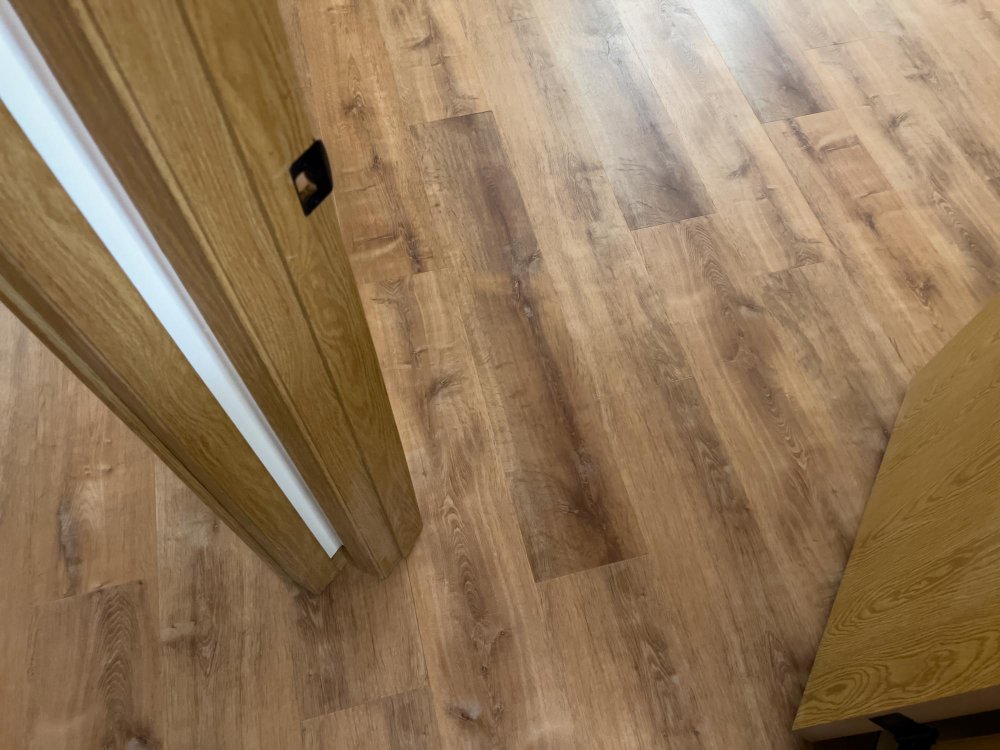
Q: Is SPC vinyl flooring a better option than laminate?
A: Both materials have strengths, but they are designed with different priorities in mind.
Laminate flooring remains attractive because it is affordable, widely available, and comes in many attractive designs. For rooms with moderate traffic and limited exposure to moisture, laminate can perform very well.
SPC (Stone Plastic Composite) flooring introduces a rigid core that improves dimensional stability and moisture resistance. Because of this construction, many homeowners prefer SPC flooring for areas where spills, heavy foot traffic, or changing environmental conditions are more common.
That doesn’t mean laminate has become obsolete. Instead, homeowners should compare how each material aligns with their daily routines, maintenance expectations, and long-term remodeling goals.
- Vinyl plank flooring performs well in active households.
- Laminate remains a practical choice for many budget-conscious renovations.
- SPC flooring offers additional stability in demanding environments.
Request full-size flooring samples whenever possible. Seeing several planks together provides a much better impression than evaluating a single small sample.
Q: Are flooring upgrades really worth the investment?
A: Absolutely—but only when homeowners look beyond appearance. One of the biggest misconceptions about remodeling is that flooring is purely decorative. In reality, it influences how comfortable a home feels, how easily it can be maintained, and even how people move through the space every day.
Well-planned flooring upgrades can create visual continuity between rooms, making open-concept layouts feel larger and more cohesive. Replacing multiple flooring materials with one consistent surface often reduces visual clutter while creating a cleaner architectural flow throughout the home.
Updated flooring can also simplify everyday living. Smooth transitions between rooms improve accessibility, durable wear layers reduce maintenance, and waterproof materials provide additional confidence in busy households.
“A beautiful floor should quietly support everyday life rather than constantly demanding your attention.”
If you’re remodeling multiple rooms, consider installing the same flooring throughout the main living areas. Consistent flooring often makes the entire home feel larger, brighter, and more professionally designed.
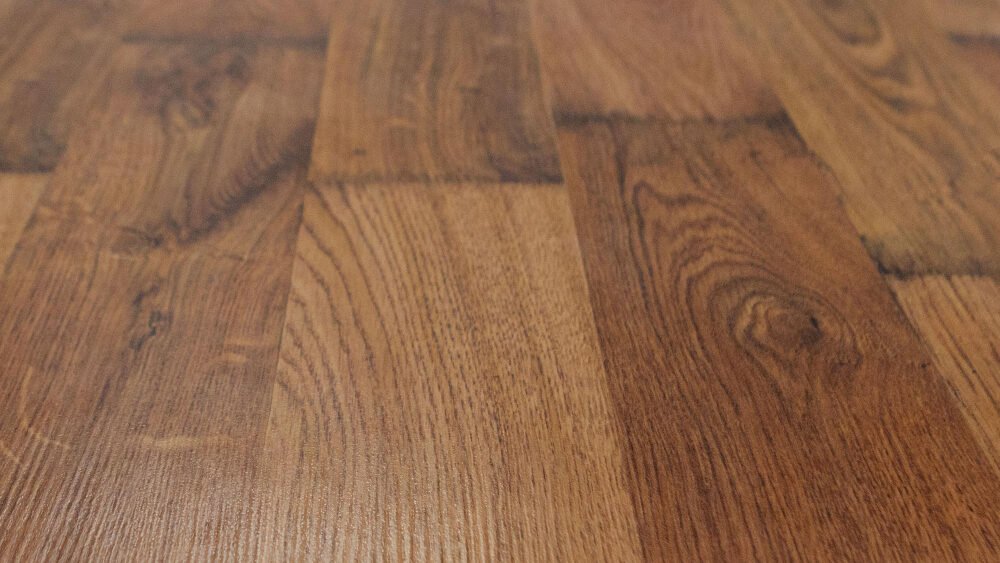
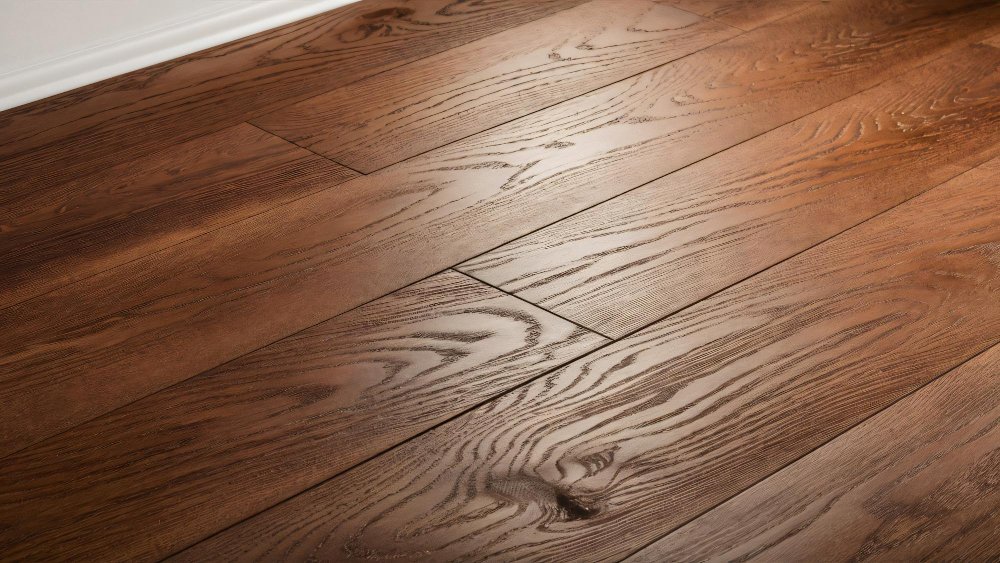
Q: Why is professional installation just as important as choosing the right flooring?
A: Even premium flooring materials cannot perform as intended if they are installed incorrectly. The quality of the installation directly affects how the floor looks on day one and how well it performs years later.
Professional installers evaluate subfloor conditions, moisture levels, room dimensions, expansion requirements, and transition details before laying the first plank. Skipping these steps may lead to uneven surfaces, visible gaps, premature wear, or unnecessary repairs.
Another benefit of professional installation is visual consistency. Proper plank layout minimizes repetitive patterns, creates balanced transitions between rooms, and helps achieve the clean appearance homeowners expect from a modern renovation.
Expert Tip
Before installation begins, ask to review the plank layout plan. Small adjustments to the starting point can significantly improve the overall appearance of the finished floor.
Q: Where should homeowners look for design ideas before choosing new flooring?
A: Inspiration is valuable, but it should come from complete interiors rather than isolated product photos. Looking at finished remodeling projects helps homeowners understand how flooring interacts with cabinetry, lighting, furniture, paint colors, and natural light.
Many homeowners browse remodeling inspiration resources before making final decisions because these collections showcase real homes instead of staged material samples. Seeing complete spaces often makes it easier to compare different plank widths, color tones, installation patterns, and design styles.
I also encourage clients to save photographs of rooms they genuinely enjoy rather than following every new trend they see online. After collecting several images, clear patterns usually emerge—whether it’s a preference for lighter wood tones, wider planks, minimalist interiors, or warmer traditional designs.
“The best inspiration doesn’t tell you what to copy—it helps you discover what truly fits your home.”
Expert Tip
Create a digital folder of your favorite flooring ideas before meeting with a designer. Comparing several complete rooms often reveals consistent preferences that make material selection much easier.
Don’t wait!
Reach out to us today to schedule your consultation and discover how we can transform your floors into a stunning foundation for your home!
Final Thoughts
Q: If you could give homeowners one final piece of advice before choosing new flooring, what would it be?
A: Think beyond today’s renovation. Ask yourself how the flooring will perform after years of family gatherings, daily routines, pets, changing furniture, and evolving design preferences.
The best flooring isn’t necessarily the most expensive or the most fashionable. It’s the flooring that fits your lifestyle, complements your home’s architecture, and continues looking great with reasonable care. When appearance, durability, and thoughtful installation come together, the result is a home that feels more comfortable every single day.
Flooring is literally the foundation of every interior. Choosing it carefully is one of the smartest decisions homeowners can make because every room—and every day—begins with the surface beneath your feet.